Why Does Dye Quality Matter So Much in Modest Wear?

When we buy modest wear, the first thing we usually look at is colour: is it vivid or muted, does it go with our outfit? But how that colour is achieved matters just as much as the colour of a scarf, underscarf or square scarf. Dye quality decides not only how a product looks but also how comfortable it feels on your skin all day, how well the fabric breathes and how long the product lasts.
Dye Is the Fabric's First Point of Contact with Your Skin
Modest wear is in contact with sensitive areas such as the scalp, face, neck and nape all day. These areas have thin skin and sweat a lot, so the dye in the fabric interacts with your skin throughout the day.
In good-quality dyeing, the dye penetrates the fibres evenly and does not spoil the natural structure of the fabric. With poor-quality dyes, the dye stays on the surface of the fibres, stiffens the fabric and can cause discomfort on sensitive skin. The difference is not visible at first; you feel it the longer you wear the product.
The Problems Poor Dye Causes
Products made with cheap dyes and fast dyeing techniques to cut costs may be cheaper in the short term, but in the long run they can cause these problems:
Colour bleeding: In contact with sweat and water, the dye can transfer to your skin or clothes.
Fast fading: After a few washes the colour dulls and the product looks old.
Stiffening: The fabric loses its softness and feels rough on the skin.
Skin sensitivity: Itching and redness can occur on sensitive skin.
Odour: A strong chemical smell can be a sign of poor dye and finishing.
These effects are more noticeable in products that touch the skin directly, such as underscarves and scarves. If you have an ongoing skin complaint, we recommend seeing a dermatologist.
The Link Between Dye Quality and Breathability
Breathability is usually linked only to the type of fabric. But dyeing and finishing also affect how well air passes through. Poor dyes and heavy finishes can clog the pores of the fabric and reduce airflow; the fabric stiffens and starts to make you sweat.
Good-quality dyeing protects the fibre structure, keeps the stretch and does not block airflow. You feel the difference clearly in summer and during sport. We explain this in detail in our breathable underscarf article.
Fading Is Not Just a Cosmetic Problem
When a scarf loses its colour after a few washes, it shows the dye has not bonded well to the fabric. With such products, every wash pulls more dye from the fibres. The result: the product wears out sooner, and there is a risk of staining when worn with light-coloured clothes.
A Simple Colour Test at Home
To find out whether a new scarf bleeds colour:
Press and rub a damp white cotton cloth on a hidden corner of the scarf for a few seconds.
If clear colour stays on the cloth, always wash the scarf separately in cold water for the first few washes.
Hand washing dark products on their own for the first wash is the safest method.
What Is OEKO-TEX?
OEKO-TEX® Standard 100 is an international label showing that textile products have been tested for certain substances considered harmful to human health. You may see it on the product label or in the seller's product information. It is especially valued for baby products and textiles that touch the skin directly.
Ecardin's Approach to Dye Quality
At Ecardin we see dye quality not as a cosmetic detail but as a fundamental part of the product. In dyeing, we pay attention to colour fastness, performance after washing and keeping the fabric soft. Our aim is for our products to keep not just their first-day look but their comfort over long use. We describe our production steps in how Ecardin makes its products.
Keeping Colours Bright for Longer
Wash coloured items separately in water no hotter than 30°C.
Wash products inside out, with a detergent for coloureds.
Dry in the shade, not in direct sun.
Do not use bleach or stain removers on coloured products.
A detailed care chart for every fabric is in our guide to washing hijabs and underscarves.
Good Dye Makes a Product Last Longer
A product made with good dyeing techniques keeps its shape and colour even after many washes. That means economical and sustainable use: you do not have to replace things often. We explain how to recognise good fabric in our fabric quality guide.
Frequently Asked Questions
Why does a hijab bleed colour?
When dye is not well bonded to the fibres, it can bleed in the wash, with sweat or with friction. Dark colours and the first washes are riskier.
How should I wash a hijab that bleeds colour?
Do the first washes on their own, by hand, in cold water. Adding a little vinegar to the water can help fix the colour in some fabrics; test on a hidden corner first.
Can a faded hijab get its colour back?
Restoring a faded colour is usually not possible. That is why washing correctly and drying in the shade from day one is the best prevention.
Buying Underscarves and Hijabs Wholesale: A Sourcing Guide for Retailers
A Guide for First-Time Hijabis: Underscarves, Scarves and Your First Shopping List
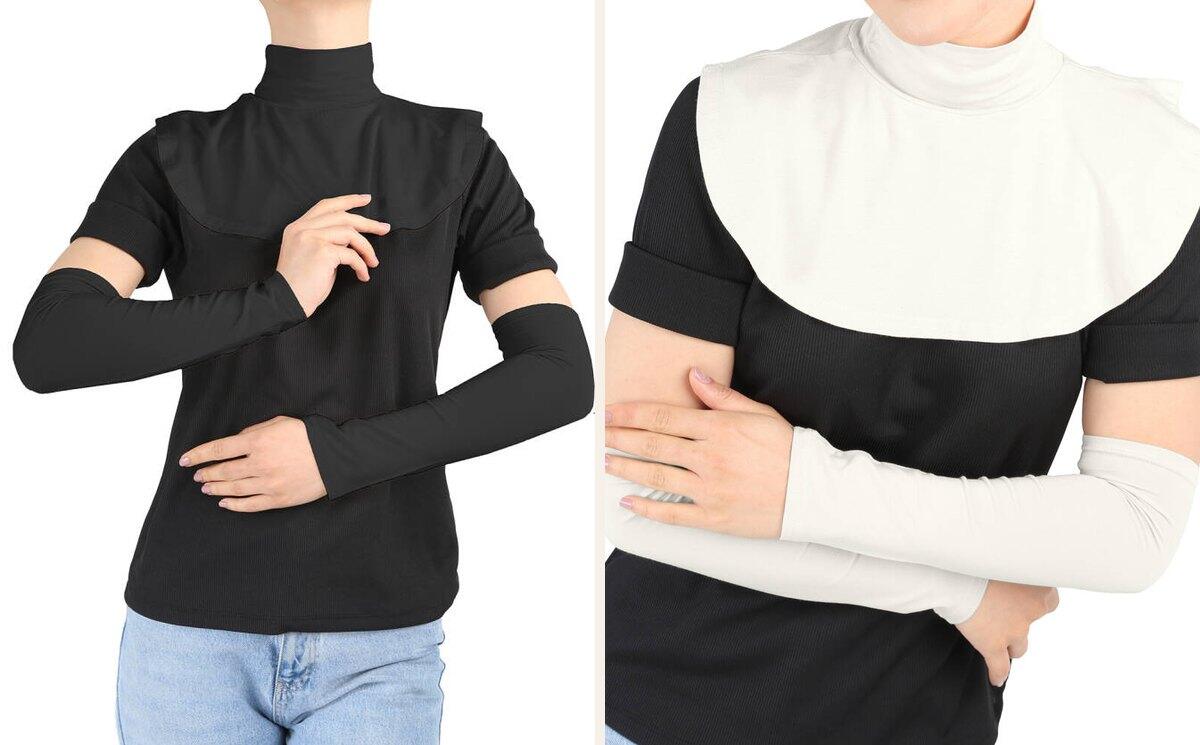
What Are Arm Sleeves and How Do You Wear Them? A Guide to Arm Sleeves and Neck Covers
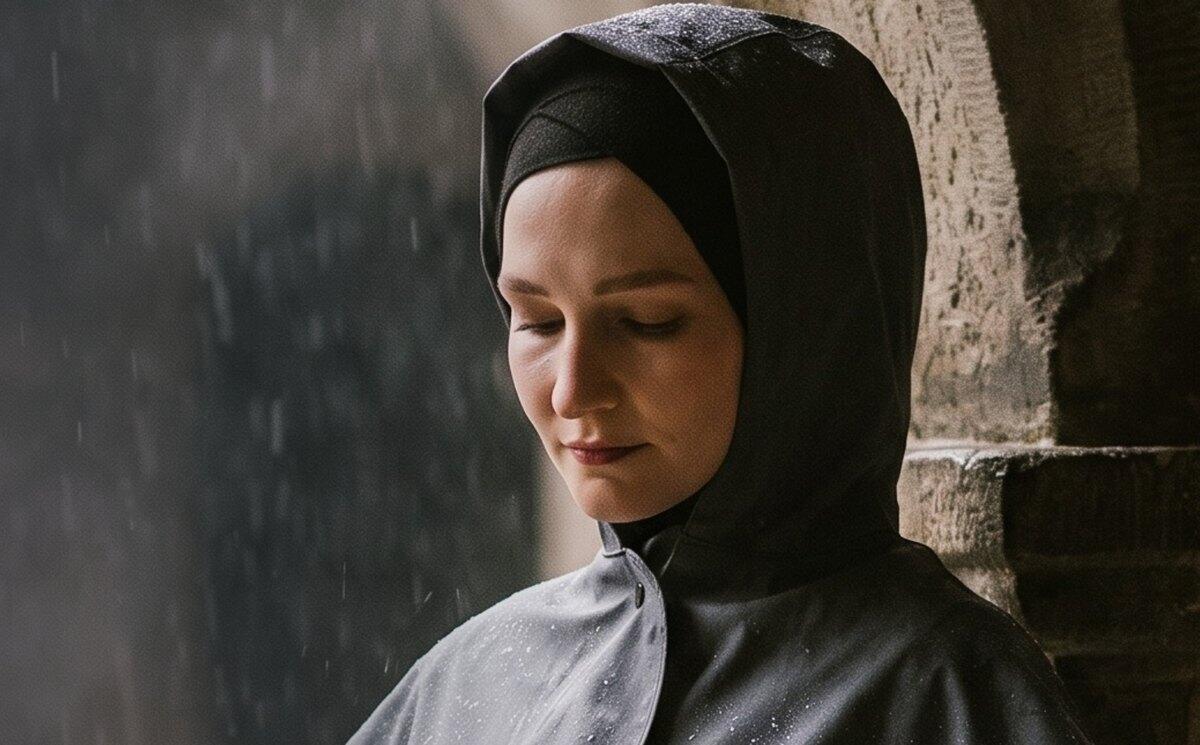
Modest Raincoats: An Easy Way to Protect Your Hijab and Outfit in the Rain
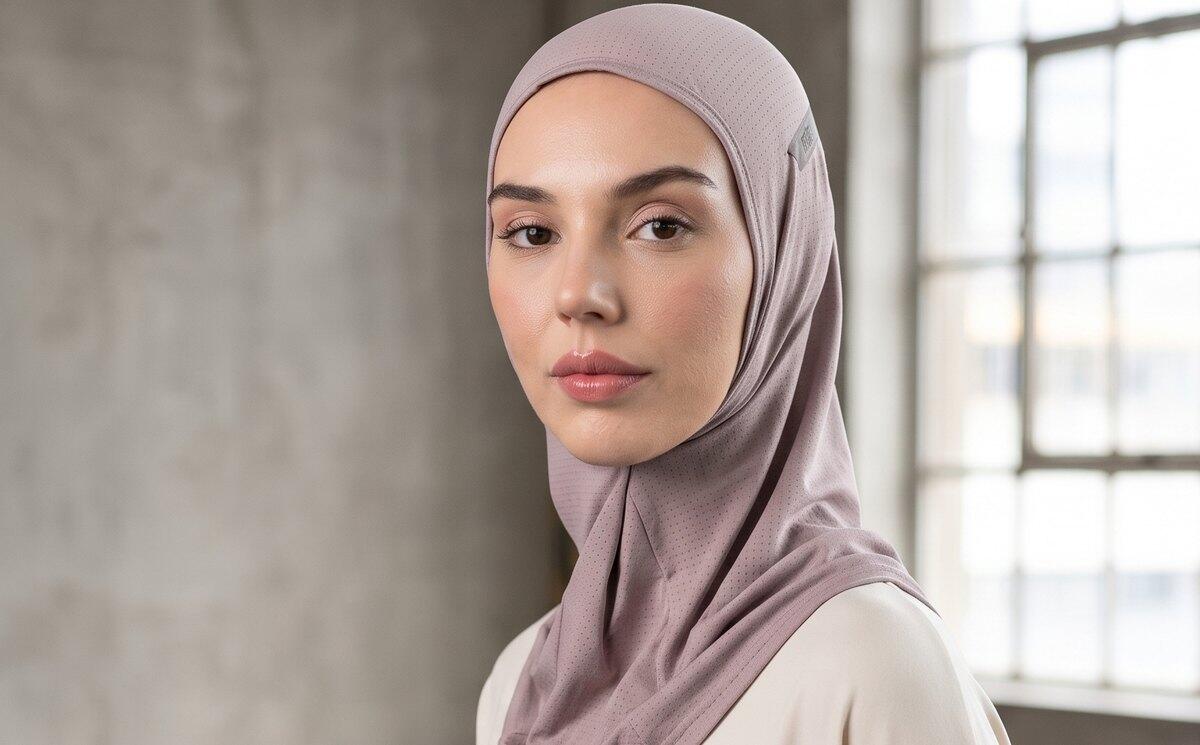
How to Choose a Sports Hijab: A Guide for the Gym, Running, Pilates and the Outdoors