
Is Your Underscarf Too Tight? Underscarf Sizes, Headaches and Earphones
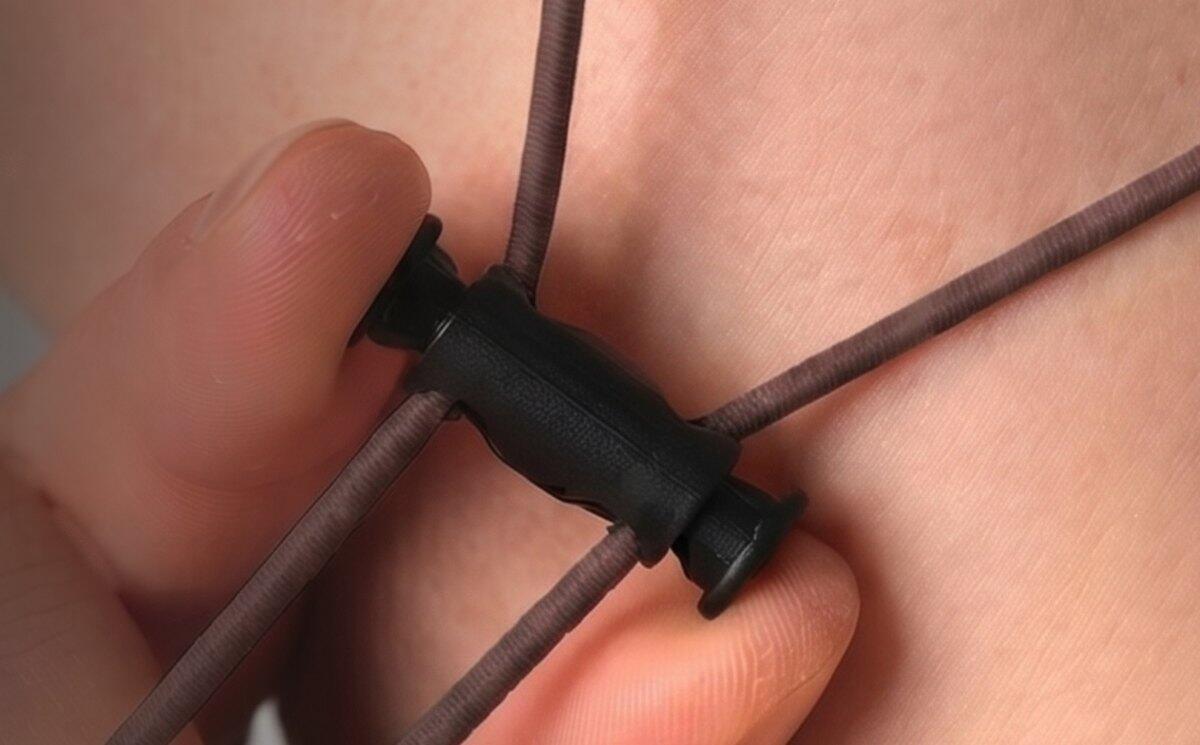
You usually find out whether an underscarf is any good at the end of the day: if there is a mark on your forehead, your ears hurt or you had to keep pushing the cap back, the size is probably wrong. Ready-made underscarves come in standard sizes, but head sizes vary from person to person. The answer to how to measure for an underscarf takes just a few minutes.
How to Measure for an Underscarf
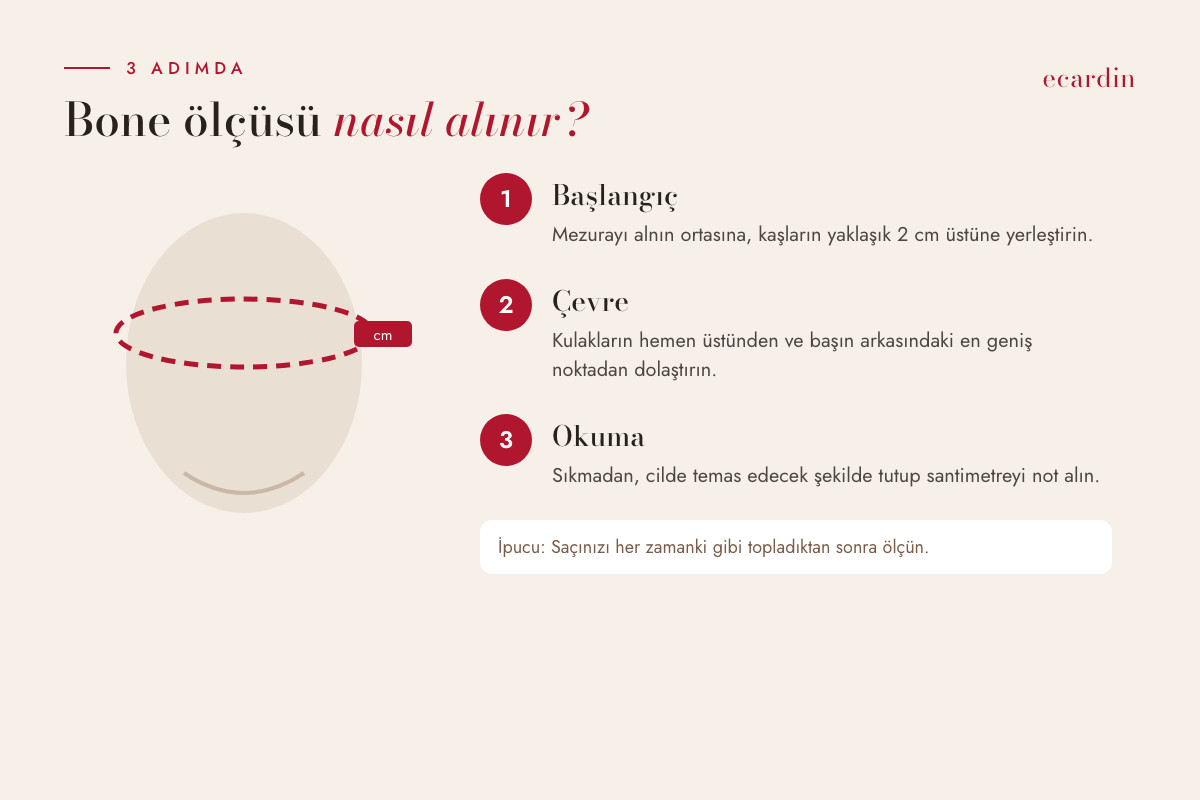
Measure for your underscarf in 3 steps
Position the tape measure: Start at the middle of your forehead, about 2 cm above your eyebrows.
Go around your head: Pass the tape just above your ears and over the bump at the back of your head (the widest point).
Read the measurement: Hold the tape against your skin without pulling it tight, and note the number in centimetres.
You will get a more accurate result if you measure with your hair tied the way you always wear it; a bun takes up space at the back of the cap.
Which Underscarf for Your Size?
Standard size: The standard fits of plain, criss cross and non-slip underscarves.
Larger head or thick hair: the XL wide-fit underscarf, the XL plain slip-on undercap, the elastane-free large cotton undercap and the plus size cotton underscarf with bun.
In between sizes, or if you want to set the tightness: an adjustable underscarf. The cord and toggle at the back let you fit it to your head.
Can an Underscarf Cause Headaches?
An underscarf in the right size, made of stretchy and breathable fabric, should be comfortable. But a tight cap that squeezes your head can cause a feeling of pressure at the forehead and temples, especially over long hours. To avoid this:
Make sure the cap is stretchy enough for you to slip two fingers comfortably under the forehead edge.
Avoid caps with very stiff edge elastic.
Do not tie your hair very tightly or very high; the pulling effect adds to the pressure.
If you wear it all day, choose breathable and seamless styles.
If a headache continues after you take the cap off, or keeps coming back, there may be other causes; we recommend speaking to a health professional.
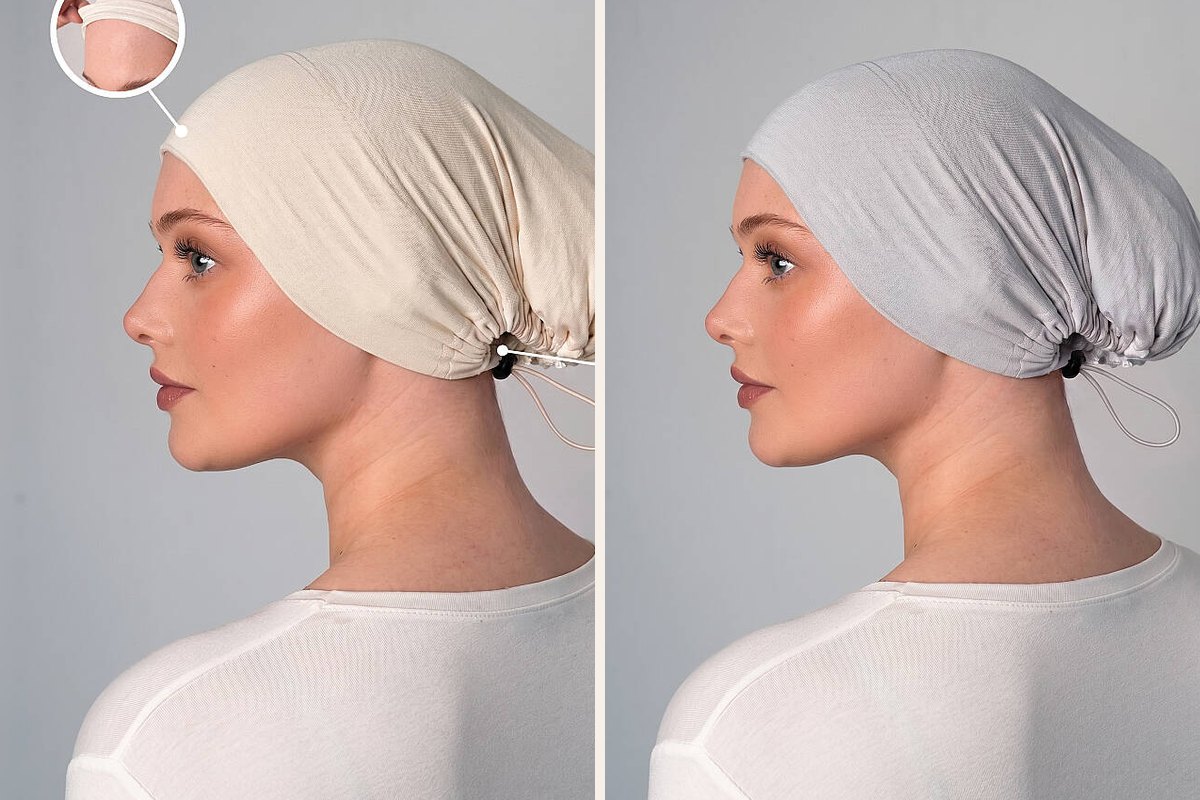
Adjustable underscarf: set the tightness to suit your head
For Earphone and Glasses Wearers
If you are on the phone all day, wear earphones or wear glasses, the ear area of your underscarf matters. A cap that presses your ears inwards can become uncomfortable after a few hours.
The wide non-slip underscarf with ear holes: the openings at the ears make earphones and phone calls comfortable, and the silicone strip keeps it in place.
The XL undercap with ear holes: a wide fit with a comfortable ear area.
If you wear glasses, bring the sides of the cap over your ears and rest the arms of your glasses on top of the cap, not under it, so there is no pressure above your ears.
3 Things to Try Right Away If Your Underscarf Is Too Tight
Tie your hair lower and more loosely.
Place the cap slightly further back from your hairline.
Try a way of wearing it that leaves your ears outside the cap.
If none of these help, it is time for a size up or an adjustable style. We explain how to put one on in how to wear an underscarf.
How to Read Ready-Made Underscarf Sizes
Ready-made underscarves usually come in standard, plus size (XL) and adjustable options. When you check the size and fabric in the product description, look at:
Stretch: Fabrics with elastane and cotton jersey stretch; if you are between sizes, a stretchy fabric will be more comfortable.
Elastane-free styles: They stretch less, so size matters more; choose a wide fit.
Room for a bun: Long, thick hair takes up space in the bun area; styles with bun or plus sizes allow for it.
Underscarf Sizes for Girls and Teens
Girls and teenagers have a smaller head circumference than adults. An adult underscarf can be loose and slip; adjustable styles with a toggle adapt as they grow. When we get feedback such as "a little too big for my daughter", we suggest the adjustable alternatives.
Small Habits That Keep Your Underscarf Comfortable for Longer
Do not tumble dry underscarves; the elastic loosens and the shape is lost.
Rotate several underscarves instead of wearing the same one every day.
Replace worn, stretched underscarves; a stretched cap slips and needs more adjusting.
Frequently Asked Questions
How often should I replace my underscarf?
It depends on how often you wear it. Replace it when the edge elastic stretches, the cap starts to slip or the fabric gets thin.
What happens if I set an adjustable underscarf too tight?
Setting it too tight creates a feeling of pressure. Leave the toggle at the point where the cap sits on your head without pressing.
How tight should an underscarf be?
It should hug your head without pressing. If two fingers fit comfortably under the forehead edge and the cap does not slip during the day, the size is right.
Who are plus size underscarves for?
For larger heads, thick and long hair, large buns and anyone who feels squeezed in a standard cap.
Can an underscarf be both adjustable and non-slip?
Yes. The adjustable non-slip underscarf with bun adjusts with a toggle and stays put with its silicone strip.
Buying Underscarves and Hijabs Wholesale: A Sourcing Guide for Retailers

A Guide for First-Time Hijabis: Underscarves, Scarves and Your First Shopping List
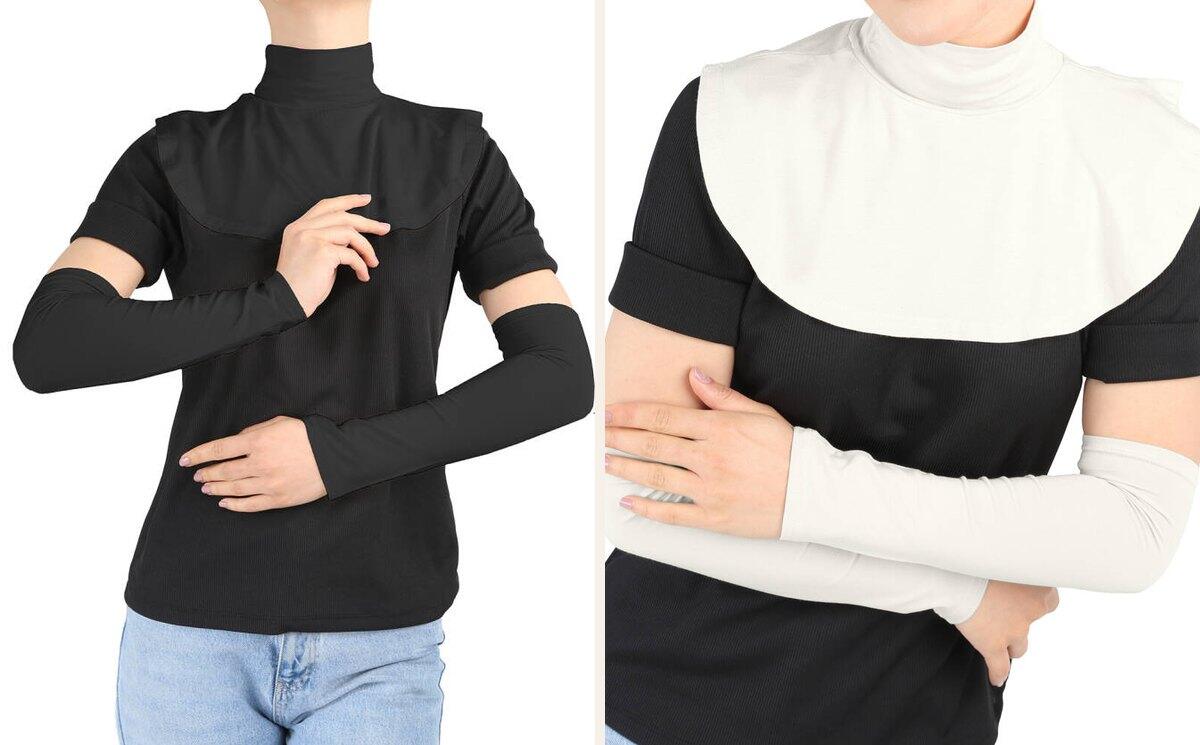
What Are Arm Sleeves and How Do You Wear Them? A Guide to Arm Sleeves and Neck Covers

Modest Raincoats: An Easy Way to Protect Your Hijab and Outfit in the Rain
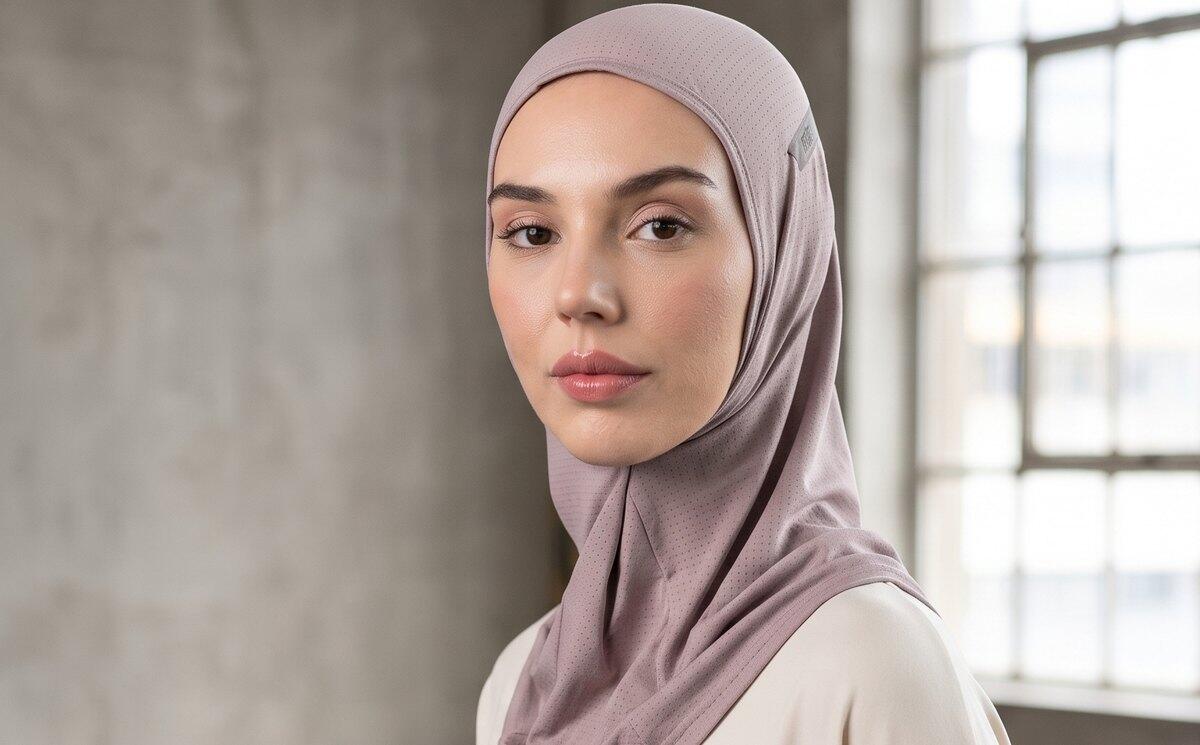
How to Choose a Sports Hijab: A Guide for the Gym, Running, Pilates and the Outdoors